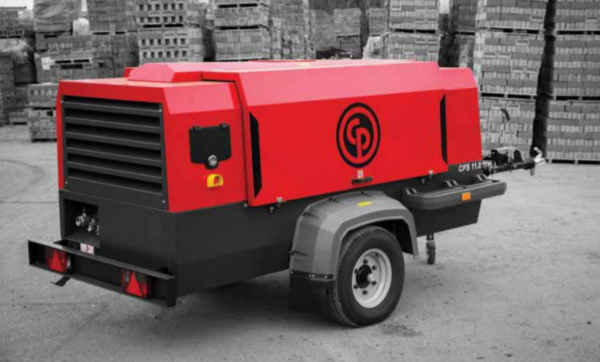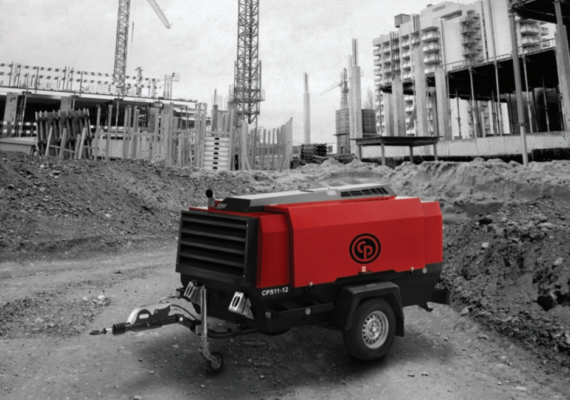
For a sandblasting compressor that helps you perform your work perfectly, we invite you to browse Inditec’s product range. We have several compressors available, including compressor-based sandblasting. Sandblasting is a process that uses sand as an abrasive to clean a surface, remove rust, paint, or dirt, or roughen the surface for further treatment. This process is often used in construction and industrial sectors, as well as automotive companies, to remove paint and prepare surfaces for repainting.
Using a high-quality sandblasting compressor ensures efficiency and precision in your work. Whether you’re preparing metal, wood, or concrete surfaces, the right equipment makes the process faster and more consistent, reducing manual effort and improving results. At Inditec, our compressors are designed to deliver the optimal air pressure and flow required for various sandblasting applications, ensuring professionals achieve a smooth, clean finish every time. Investing in a reliable compressor not only saves time but also increases the quality and durability of the surface treatment.
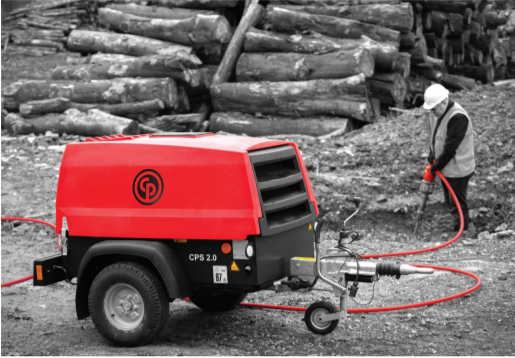
We’ll briefly explain how sandblasting with a compressor works. To begin, you’ll need a sandblasting gun connected to a compressor. The compressor forces compressed air through a hose to the gun. The air is then forced through a small opening, forcing the blasting material, such as sand, out of the gun and onto the surface. The force of this action effectively removes dirt and imperfections.
The pressure at which the air and blast media are blown can be adjusted depending on the surface and the desired result. High pressure can be used, for example, to remove thick layers of paint or corrosion, while lower pressure is suitable for more delicate materials.
Moreover, compressor sandblasting isn’t just about cleaning; it’s also about precision and control. By adjusting the distance, angle, and type of blasting material, you can achieve a smooth, even result or create a textured surface, depending on your project. This makes it ideal for various applications, such as preparing metal for paint, restoring old furniture, or cleaning stone and concrete surfaces. The combination of compressed air and abrasive material allows you to work efficiently while minimizing damage to the underlying surface.
We’re happy to tell you more about which compressor is best for sandblasting. This way, you don’t have to worry about whether the job is done properly. However, when using a compressor, be sure to proceed with caution and ensure you wear personal protective equipment. The force of the air can blow a lot of particles around. We’re happy to tell you more about this and also explain the best way to approach sandblasting with a compressor.
A sandblasting compressor is a powerful air compressor specifically designed to provide a continuous supply of compressed air for sandblasting. The compressor blows compressed air along with abrasive material (such as sand or grit) through a nozzle to clean, smooth, or etch surfaces such as metal, wood, or concrete.
The compressor you need depends on the type of sandblasting and the size of the nozzle. For small projects, a minimum of 5–10 CFM (cubic feet per minute) at 90 PSI is usually recommended. Larger industrial projects require compressors that deliver 15–30+ CFM at higher pressures. Always check the specifications of your sandblasting equipment.
Using a standard air compressor is generally not recommended. Sandblasting requires a continuous, high airflow that most standard compressors cannot provide. An underpowered compressor can damage the equipment, reduce efficiency, and create an uneven surface finish.